Understanding the Difference Between H-2B, CDL, and H-2A Truck Driving Jobs in America
For South Africans exploring work opportunities in the United States, truck driving and transportation jobs will seem confusing at first. You may hear terms like “H-2A,” “CDL,” and “H-2B” used together, even though they refer to very different things.
Understanding the difference is important because each path has different requirements, job types, and legal rules.
At USA Truck Labor, we help workers understand these opportunities and prepare for success in the American workforce. This blog offers a simple breakdown of different types of truck driving jobs available in America, what some of these terms mean, and how they connect.
What is H-2A truck driving?
The H-2A visa program is a temporary work visa that allows American farm employers to legally hire foreign seasonal farmworkers for jobs when there aren’t enough American or domestic workers available or willing. There are several types of H-2A farm jobs available. Most H-2A jobs involve one or a combination of these tasks:
Planting and harvesting crops
Operating agricultural equipment (tractors, harvesters, etc.)
Livestock and ranch work
General farm labor tasks
Farm transport and truck driving
Truck driving duties associated with H-2A jobs include:
Collecting and hauling harvested crops
Transporting equipment between fields or pastures
Delivering feed or supplies locally to the farm
Driving livestock between pastures, fields, and feed lots
It’s important to remember that many H-2A jobs for skilled South Africans involve driving trucks in an agricultural context and farm environment, along with various other duties and tasks. For example, H-2A workers drive the equipment to different fields and pastures, and then unload and operate the equipment before loading it up and moving on to the next field or pasture.
H-2A truck driving rules are strict. Driving duties must be directly connected to agriculture and comply with transportation and labor regulations, or farm employers will face possible audits, fines, and, in some cases, debarment from utilizing the program for seasonal labor needs.
What is H-2B truck driving?
Similar to H-2A, H-2B is a temporary work visa program for non-agricultural seasonal jobs when there aren’t enough American or domestic workers available or willing to perform the jobs. Think of H-2B as seasonal commercial, non-agricultural jobs. Here are some of the industries that utilize the H-2B work visa program:
Construction
Hospitality (hotels, restaurants, food service)
Landscaping
Tourism (theme parks, resorts, etc.)
Transportation and logistics
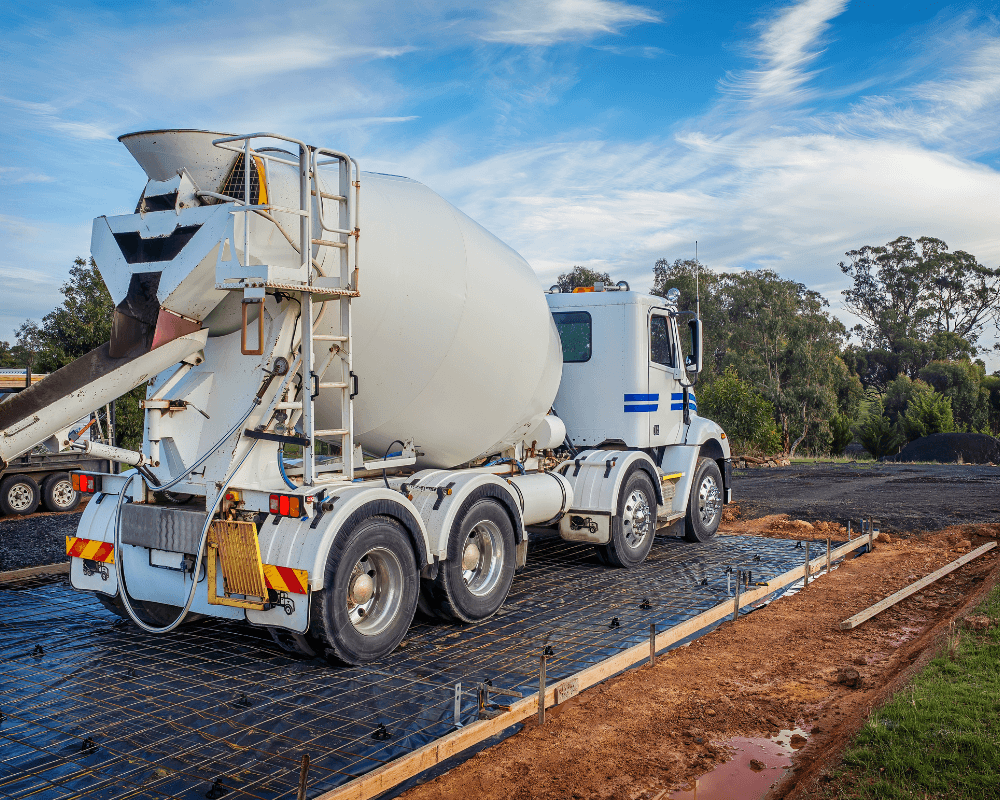
H-2B is for commercial businesses with a one-time or peak-season (busy season) need. The process of applying for H-2B workers is a little different than H-2A, as there is a cap on how many H-2B visas are issued, which limits the availability of jobs, but many of the employer requirements are the same. Different types of H-2B truck driving jobs include:
Seasonal delivery drivers
Transportation support roles
Commercial driving connected to tourism or construction
Hauling non-agricultural products and goods
These truck driving jobs are commercial driving jobs, and most will require a Commercial Driver’s License (CDL).
What is a CDL?
A CDL is a type of truck driving license in America, similar to a code 14 truck license in South Africa. There are a few different types of CDLs in America:
Class A CDL: For driving semi-trucks with trailers attached
Class B CDL: For driving straight trucks such as dump trucks and buses
Class C CDL: For driving smaller, lighter vehicles carrying 16+ passengers or hazardous materials
Most H-2B commercial (non-agricultural) or H-2A truck driving jobs in America that require a CDL will require either a Class A or Class B CDL. While some agricultural driving jobs require a CDL, it depends from job to job and operation to operation as to whether you’ll need to acquire one. However, having your CDL makes you a valuable, skilled worker for American employers of all types.
What is the difference between H-2A and H-2B truck driving jobs?
The differences between H-2A and H-2B truck driving jobs are:
The type of business you’ll be driving for
The style of driving you’ll be doing
The environments you’ll be driving in
H-2A truck driving is extremely local, and it’s common for H-2A truck drivers to rarely leave the farm except to bring harvested crops to the grain elevators. However, some H-2A employers offer services for other farmers, such as harvesting or spraying crops. These are known as Farm Labor Contractors (FLCs), and many of the truck driving jobs with these contractors will require a CDL because they are commercial businesses that serve only farms, requiring over-the-road, long-distance drivers.
It’s also normal for H-2A truck drivers to have other duties along with their driving tasks. As we mentioned earlier, it’s standard practice for H-2A truck drivers to load and transport ag equipment, unload and operate the equipment, then load it back up and go to the next field, pasture, or farm.
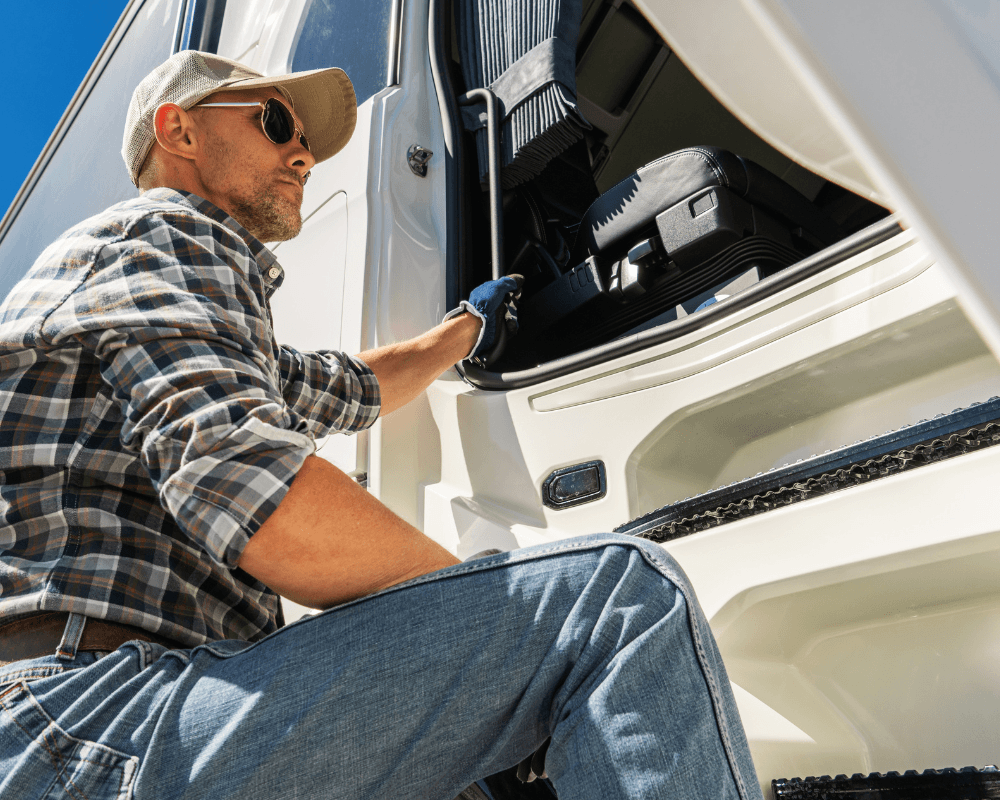
H-2B truck driving jobs, on the other hand, are much more commercialized, generally involve only driving tasks, and often require long-distance or over-the-road, interstate driving (from state to state). That’s not to say certain types of business won’t have other duties involved. For example, a landscaping company might need an H-2B driver to load and deliver digging equipment (such as trackhoes or loaders) and operate those machines on the job site.
Anytime a seasonal visa worker is driving between states or operating large trucks over a certain weight, chances are high that you’ll need a CDL to do that job, regardless of H-2A or H-2B classifications.
Do you need a CDL for farm driving jobs?
The short answer: it depends.
Some farm truck driving jobs will require a CDL, and some will not, but whether you’ll need a CDL for a farm driving job depends on:
Job duties
Type of operation or farm (fixed-site crop farm or FLC servicing other farms)
Type of driving tasks
Vehicle weight
State laws (some states require CDLs for ANY type of truck driving)
Distance you’re driving (how far you need to drive, typically to a grain elevator to store crops)
Most states in America do NOT require farm truck drivers to have a CDL as long as you’re driving within a small radius of the farm and not crossing state lines with the truck.
How do you get a CDL in America?
Getting your CDL in America as an H-2A, H-2B, or a normal citizen driver involves:
Obtaining a commercial driving learner’s permit
Attending and passing Entry-Level Driver Training (ELDT) (be sure it’s an accredited/valid training course)
Passing a Department of Transportation (DOT) medical exam
Passing a state-specific CDL driving test at a DMV office (most require an appointment)
It’s important to know that you can only acquire an American CDL in America, and this includes the required Entry-Level Driver Training (ELDT) courses that you’ll need in order to qualify to take a CDL test at an American DMV (division of motor vehicles office). Any program outside of the U.S. that promises an American CDL is lying to you. Only two countries have reciprocity with CDLs in the United States: Canada and Mexico.
Obtaining a CDL learner’s permit requires:
A valid U.S. driver’s license
Proof of Social Security, residency, and identity
Passing a DOT medical exam
Passing General Knowledge and Air Brake Tests
USA Truck Labor’s training program puts you on the fast track to pass the General Knowledge and Air Brake Tests. Our training program involves more than shifting a few gears and steering the truck. Our program directors understand what you need to know to succeed in truck driving in America, so we’ve developed a comprehensive program designed to help you succeed in an American driving career.
Why trucking skills matter?
Regardless of the type of work visa you are on in America, chances are you’ll be hired because you are a skilled worker, meaning you understand how to operate complex machinery or equipment and have strong critical-thinking skills. Trucks are one of the most common types of equipment used on American farms and in various U.S. industries, such as construction.
Workers with transportation experience often stand out to employers. Other skills that help you stand out include:
Operating tractors or heavy equipment
Defensive driving
Trailer experience (connecting and disconnecting)
Equipment maintenance
GPS navigation and technology operation
Mechanical and equipment maintenance experience
USA Truck Labor prepares you with skills for different types of driving jobs in America
USA Truck Labor’s training and verification programs are designed and continuously improved to prepare you for more than just farm driving jobs. Getting some experience behind the wheel of a semi-truck and going through initial training puts you in a position to get recognized by American employers and eventually land a job in the United States. Our training is developed in connection with American employers and focuses on preparing you for real-world scenarios such as different terrains, connecting and disconnecting trailers, and executing pre- and post-trip inspections on your rig. We also give candidates who pass our course a verified reference moving forward. We’re the top truck training school in South Africa, with a clear understanding of the American licensing system, different types of trucking jobs available, and what American employers in various industries are looking for in their seasonal visa workers.