Smart Farming in America: GPS and Technology Every H-2A Worker Should Know
When you hear farmwork in America, you probably think about working hard manual labor, bent over in the fields, harvesting fruits and vegetables by hand. But that is only one type of farm work available in the U.S. In fact, American agriculture has become increasingly dependent on technology and automation to effectively and efficiently grow crops and manage livestock.
American farms use technology such as GPS (global positioning systems), self-driving features, autonomous equipment, drones, and automation where possible. However, American farm employers still need skilled operators, drivers, and other workers who understand this technology and how to use it effectively for tasks.
Today’s blog breaks down some of the most common technologies used in farming in America, so you can prepare for your H-2A job.
GPS (global positioning system)
GPS is perhaps the most common type of technology used while farming in America. You’ll need to be familiar with different types of GPS used on farms. GPS is used on equipment, especially in planting, but also in other areas, to ensure accurate:
Farm planning
Field mapping
Soil sampling
Tractor guidance
Crop scouting
Variable rate applications
Crop yield mapping
GPS on farm equipment is especially beneficial when visibility is low due to darkness, fog, rain, or other adverse weather conditions.
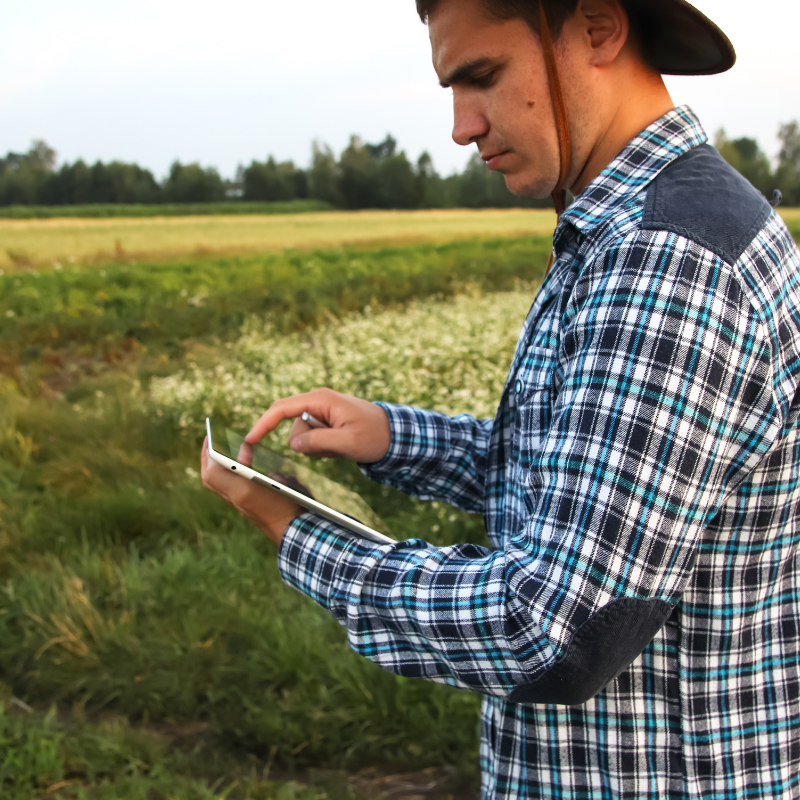
Autosteer
Advancements in American farm technology and GPS also brought about autosteer features on various pieces of equipment, such as tractors and harvesters. Autosteer technology comes pre-equipped on some brands of tractors, but is also available as an aftermarket product that you install. Autosteer integrates GPS into the equipment’s steering system to:
Allow for hands-free operation of equipment
Improve the accuracy of tasks such as planting or harvesting
Reduce operator fatigue
Enhance productivity and efficiency of growing operations
Autosteer still requires an operator or driver, but offers a lot of benefits, especially for farmers experiencing labor shortages.
Check out A Beginner’s Guide to U.S. Farm Equipment for H-2A Workers
Farm apps and AI
Like most industries, farming in America is finding ways to incorporate Artificial Intelligence (AI), apps, and digital communication tools into daily operations. Some of the most common types of apps used on U.S. farms help with tasks such as:
Timekeeping
Weather forecasting and climate monitoring for optimal planting and harvest
Equipment usage logs and tracking
Irrigation
Plant and weed identification
Smart equipment control
Recordkeeping, accounting, and payroll
Communication across teams or crews
There’s an app, or a piece of technology, designed to help with nearly everything in the world of modern agriculture. While there are many American farmers not utilizing apps, AI, or tech for daily tasks, the future of American farming will be rooted in this type of farm technology.
Drones
Drones are a form of unmanned aircraft, and while these were once regarded as recreational, they have a practical place in American agriculture. Recent years have seen an uptick in the use of drones for a range of farm tasks, including:
Crop spraying (also called crop dusting)
Field mapping, scouting, and monitoring
Monitoring and tracking livestock
Seeding and fertilizing
Measuring crop health
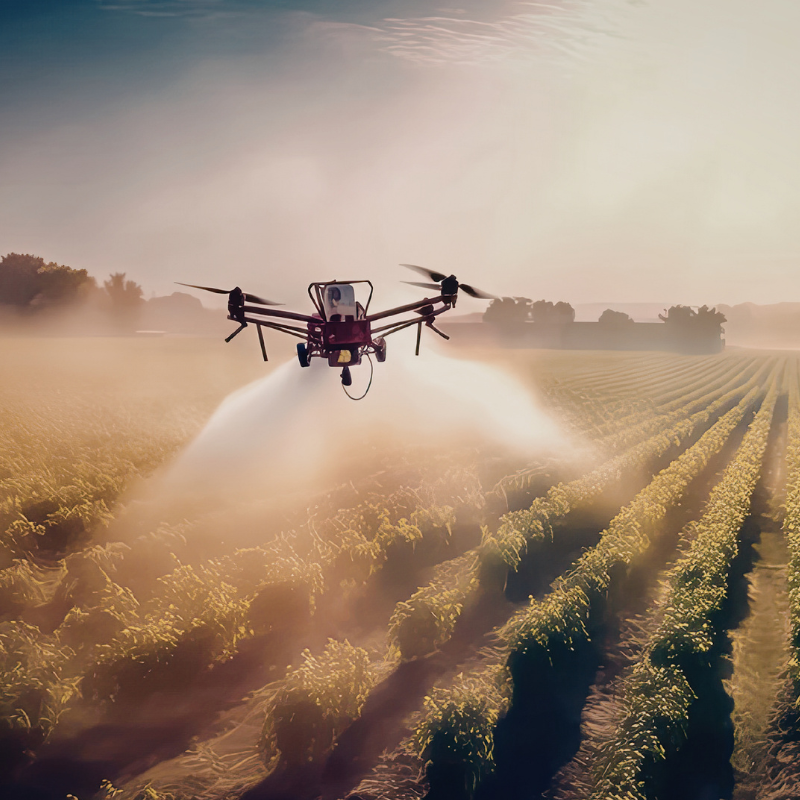
Drones are being used for more and more farm tasks each day. In fact, some ag businesses specialize solely in drone services for farms, as explained by Crystal Plank, onboarding specialist at USA Farm Labor, “I’m getting inquiries from more and more drone service providers looking for H-2A workers for their businesses.” “Demand for skilled drone operators is definitely growing,” Plank explains.
What this means for H-2A workers farming in America
American farms and ag businesses are only going to increase their use of technology, farm apps, AI, and advanced “smart” features on equipment. That means the future of H-2A work in America, especially for skilled jobs, will be more based on your ability to utilize and understand this technology.
Here are a few things you can do to ensure you’re ready for the ag tech wave of the future:
Research current technology and stay up on terms and concepts
Sign up for various newsletters, so you’re aware of updates and innovations
Watch YouTube videos that demo certain farm technology, so you understand it at least slightly before working
Embrace technology in your current job and invest in learning how to use it for farming in America
If you know you’re going to be expected to use certain technologies in a farm job, research those and get a feel for how the tech works beforehand. Although you might not have access to using these tools before leaving for your H-2A season, you can still do your homework to learn more about features and capabilities.
Read more about Resume and CV Tips for H-2A Jobs
USA Truck Labor prepares you with valuable skills to succeed in farming in America
Self-driving tractors break down, drones need operators, equipment needs maintenance, and GPS requires skilled workers who understand the systems and how to use the technology. At USA Truck Labor, we understand the modern American farming landscape, and we pass that knowledge on to you. Come to USA Truck Labor to enhance your skills and improve your chances of landing a quality H-2A job in America.