H-2A Jobs and Farm Safety: What Every Worker Should Know
Safety is one of the most important aspects of working H-2A jobs in America. Farm jobs in America can be dangerous. Operating equipment, large trucks, various implements, and hydraulic systems can be deadly if you don’t know what you’re doing or aren’t paying attention to safety. We’ve seen H-2A workers sustain serious injuries, and in some cases, death.
Those details are not intended to scare you. Dangers are everywhere in our world. It is intended to help you realize just how important safety is while working H-2A farm jobs in America. To help further, today’s blog post breaks down H-2A jobs and farm safety that every worker should know.
Importance of understanding farm safety for H-2A jobs
Bad things happen on a farm when safety is ignored or not taken seriously. Again, we’ve heard of and seen some horrific H-2A farm accidents. Before we go further, here are a few general safety tips for working farm jobs:
Pay attention during your employer's safety orientation and training
Learn the specific rules, procedures, and emergency plans for your farm
Ask questions when you don't understand instructions
Never assume you know how to operate a machine, drive a truck, or use an attachment just because you've used something similar before
Understand who to contact if you notice a safety hazard or need help in an emergency
If you don't understand how to perform a task safely, stop and ask before getting started. Pride isn’t worth losing a limb or endangering your life.
Safety with farm machinery
It’s very common for South Africans to get hired for skilled or semi-skilled H-2A farm jobs. One of the most common types of H-2A jobs is agricultural equipment operator. This involves working with farm machinery such as:
Tractors
Tractor attachments (balers, planters, sprayers)
Trucks including semi-trucks
Combines
Learn more about different types of farm equipment
But working with farm machinery can be dangerous if you don’t know what you’re doing or how to properly operate and drive the equipment. This also takes us back to the importance of being honest about your experience and skills when interviewing for an H-2A job. Lying about your experience and skills, especially with farm equipment, can lead to accidents and possibly impact your safety or the safety of others. We’ve seen this happen before. Here are some safety precautions for working with farm machinery and equipment in your H-2A job:
Only operate equipment you're trained and authorized to use
Learn the equipment’s controls, warning signals, and safety stop features before operating
Complete required inspections and report any issues right away
Keep clear of moving parts, rotating shafts, belts, and power take-off (PTO) equipment
Never remove guards or bypass safety mechanisms
Shut down equipment and follow proper lockout or servicing procedures before clearing blockages or performing maintenance
Never carry passengers unless the equipment is designed and authorized for that purpose
Wear seat belts where provided and required, and use rollover protective structures as intended
Keep a safe distance from other nearby equipment, people, kids, and pets
Never try to clear a jam or repair or maintenance running machinery. You must follow the employer's shutdown and safety procedures. Irresponsibly operating machinery is a huge safety hazard. For example, combine harvesters weigh anywhere from 7 to 23 tons unloaded, and if you’re not in full control of a machine that large, you’re putting yourself or others in danger.
Personal protective equipment (PPE) and farm safety
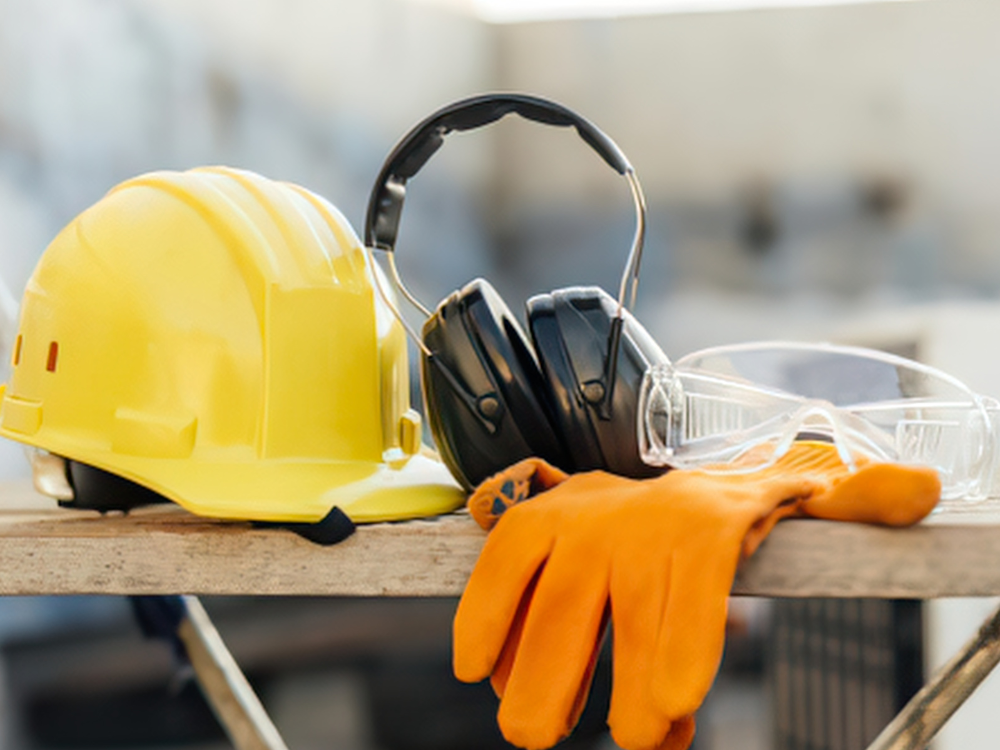
Personal safety is a critical, often overlooked, aspect of farm safety. Personal protective equipment (PPE) is just as important to your safety as wearing a seatbelt or safely operating machinery. Different types of PPE include:
Work boots
Gloves
Hard hats
Respirators, masks, and face coverings
Goggles or eye protection
Hearing protection (earplugs)
Coveralls and visibility vests
Harnesses or lifelines
PPE is really anything you wear that helps keep you safe on the worksite. Here are some tips for farm safety and wearing PPE:
Wear appropriate footwear with good traction
Use appropriate eye and hearing protection (when necessary)
Wear gloves suited to the work being performed (digging, fencing, equipment maintenance)
Use high-visibility clothing around moving vehicles, machinery, or when working near roadways or in the street
Follow instructions for respirators, protective clothing, and other equipment when handling, mixing, or spraying chemicals
Avoid loose clothing, jewelry, or unsecured hair around moving machinery (this is how you lose limbs or get caught in machinery)
Understand that different jobs require different types of protective equipment
A good rule of thumb for wearing PPE is that if you think you might need it to help protect you, wear it.
Chemicals and farm safety
Speaking of PPE, let’s turn our attention to chemicals and farm safety. Chemicals can be liquid sprays, powdered granules, or mixed formulas. Farms rely on chemical applications for things such as:
Pests and insects that can damage crops (bugs, rodents, fungi)
Getting rid of or controlling weeds
Fertilizing crops
Conditioning soil
Regulating plant or crop growth
It’s very common for equipment operators and general farmworkers to spread some or all of these types of farm chemicals for an H-2A job. Chemical safety simply can’t be ignored in your H-2A job. Tips for safely handling chemicals include:
Keep original labels, Material Safety Data Sheets (MSDS), and maintain application records
Segregate chemicals away from one another
Use a dedicated mixing pad for preparation
Always wear appropriate PPE (mask, gloves, goggles)
Monitor winds, work upwind, and keep spraying levels low (if spraying by hand)
Keep an emergency spill kit nearby
Isolate and report spills right away
You should never handle a chemical that you’re not familiar with or fully understand. Always read the usage directions and be sure to wear the appropriate PPE when mixing, handling, or spraying chemicals in the fields.
Driving trucks and farm safety
Driving trucks in a farm environment is unique and is not like driving trucks in over-the-road, around town, or highway settings. Driving trucks on farms means:
Driving on various terrains (grass, gravel, dirt)
Operating around structures, equipment, livestock, kids, and pets
Driving in fields next to combines (harvesters)
There are many differences between driving farm trucks and typical over-the-road trucking jobs. American farm employers value safety behind the wheel. Accidents and breakdowns are costly. Farm truck accidents cost time, money, productivity, and in some cases, can cost people their lives. Here are a few tips for driving trucks and farm safety:
Understand local traffic laws, road signs, and employer driving policies
Make sure you have the required license or authorization for the vehicle you're driving
Complete pre- and post-trip inspections before operating trucks
Understand blind spots, turning radius, braking distances, and safe following distances
Use extra caution on narrow roads, at intersections, crossing railroad tracks, and when sharing the road with passenger vehicles
Never use a phone while driving or operate a vehicle under the influence of alcohol or drugs
Secure loads properly and follow applicable weight and transportation requirements
Proper training, familiarity with equipment, pre- and post-trip inspections, and safe driving habits all help you become a more dependable and valuable employee for H-2A jobs.
Extreme temperatures, adverse weather, fatigue, and farm safety
Protecting yourself and staying safe on the farm also involves being aware of extreme temperatures and weather conditions. Many times, farm work involves long days outdoors, exposure to extreme heat or cold, and adverse weather conditions. It is important to plan and prepare for extreme temperatures or adverse weather by:
Drinking water regularly and following your employer's hydration and rest procedures
Learning the warning signs of heat exhaustion and heat stroke
Taking appropriate breaks and reporting symptoms early
Wearing appropriate clothing and applying sun protection
Staying alert for lightning, severe storms, slippery surfaces, and other changing weather conditions
Getting enough rest and telling your supervisor if fatigue makes it unsafe to continue working
Never operating machinery or driving a vehicle when you're too tired to do so safely
Working in extreme temperatures can catch up to you quickly. Fatigue compounds, and the temperatures take a toll on your systems over time. It’s important to recognize the signs of fatigue due to prolonged exposure to hot and cold weather. Stay current on the weather forecast, pack suitable clothes for hot and cold temps, and don’t push yourself further if you feel too fatigued or tired to safely perform your job.
What to do in the event of an accident or emergency
It’s critical to follow your employer’s instructions in the event of a farm accident or emergency. Every farm is unique, and each has its own procedures following an emergency. But a few of the basic steps include:
Stop work if it is safe to do so
Call 911 (America’s standard emergency services phone number) for serious injuries or life-threatening emergencies
Alert your supervisor and follow the farm's emergency procedures
Do not put yourself in danger trying to rescue someone from energized or running equipment, chemicals, or other hazards
Follow established procedures for chemical exposure, fires, and equipment incidents
Report the incident even if the injury initially seems minor
It’s smart to also take note of where important emergency supplies are kept, such as first-aid kits, fire extinguishers, and eyewash stations.
USA Truck Labor’s training program focuses on safety
Safety in your H-2A job is a major focus for American farm employers. That’s why USA Truck Labor has designed our training programs with a focus on safety precautions like pre- and post-trip inspections as well as routine maintenance. Whether you come for 2-day or 4-day training sessions, you’re guaranteed to learn basic farm truck safety to help boost your value to American farm employers.