Preparing for Life and Work Abroad: A Quick Start Guide
Traveling to a foreign country for seasonal work requires courage, confidence, skills, and preparation to succeed. Having the skills to initially land your job is an obvious necessity, but preparing ahead of time is one of the keys to succeeding long-term in your seasonal job overseas.
Think about it, you’ll need to adjust to a new country, a new workplace, a different culture, and new people, as well as your new job working for a foreign employer. It’s critical to familiarize yourself with laws, workplace norms, and your environment ahead of time so you’re not caught off-guard or distracted from your work, and you can focus on creating long-lasting career opportunities.
Today’s blog is designed to help you understand the transition to a new job, prepare yourself in advance for a foreign country, and make the process of traveling overseas to work smooth and seamless.
Understanding life in America
Most of the overseas job opportunities are in America. Seasonal work visas, such as H-2A and H-2B visas, present thousands of job opportunities for South Africans to temporarily live and work in America. Obviously, preparation is key. Here’s what to keep in mind about working in America:
Daily life in America is very different from home in South Africa, including:
Freedoms
Transportation
Laws
Punctuality and work ethic are important in U.S. work cultures
Differences in communication styles can and will lead to conflicts; understanding and patience are key
American employers expect you to have respect for rules, schedules, and safety procedures
All workplaces are different and will have different rules. Keep in mind that you’re traveling to work, and your goal should be creating a lasting relationship so you have the privilege of coming back to earn a living year after year.
Preparing for the job before arrival
Yes, traveling to America for seasonal work is a privilege. You’ll gain access to the American economy with American dollars and get exposure to a new country and a new culture.
Taking a job in any foreign country is a big decision with lasting impacts on your life, but the job opportunities in America can change the way your family lives from now on. The exchange rate from America to South Africa alone is enough to change your life and your family’s future. Prepare for your seasonal job as you would prepare for one of the biggest career opportunities of your life.
Here’s what you should focus on to prepare for your seasonal job before leaving South Africa:
Thoroughly understand your job duties and specifics ahead of time:
Where is the job located, and which season are you working in (summer/winter/both)
What tasks will you be performing or expected to perform (i.e., driving trucks, operating equipment, working with livestock)
Research basic workplace vocabulary and safety terms (i.e., search for crop farm safety)
Familiarize yourself with types of American trucks, farm equipment, and operations
Ensure you have a job description and contract
Organize your home life and ensure your household is in a good position (kids, wife, bills, home repairs, etc.)
Collect email addresses, phone numbers, and WhatsApp contacts for staying connected with important friends, family, and loved ones while you’re gone
Consider finances, how you’ll be paid, and have a budget plan for how you’ll send money back home and when
Learn more about the job’s environment, the city/state where you’ll be located, and pack clothing or essential items accordingly
The employees who turn seasonal job opportunities into lasting careers prepare with a professional mindset before ever setting foot on a plane to leave for America. It’s critical to ask questions, do some research, and learn more about the state or region where you’re traveling to for work.
A professional mindset means preparing to leave home like it was a 10-month-long business trip, not a year experiencing a fun new lifestyle in a different country overseas. The right mindset will make all the difference between success and failure in your seasonal job.
Read more about Turning Seasonal H-2A Jobs into a Career Path
Documents and travel readiness
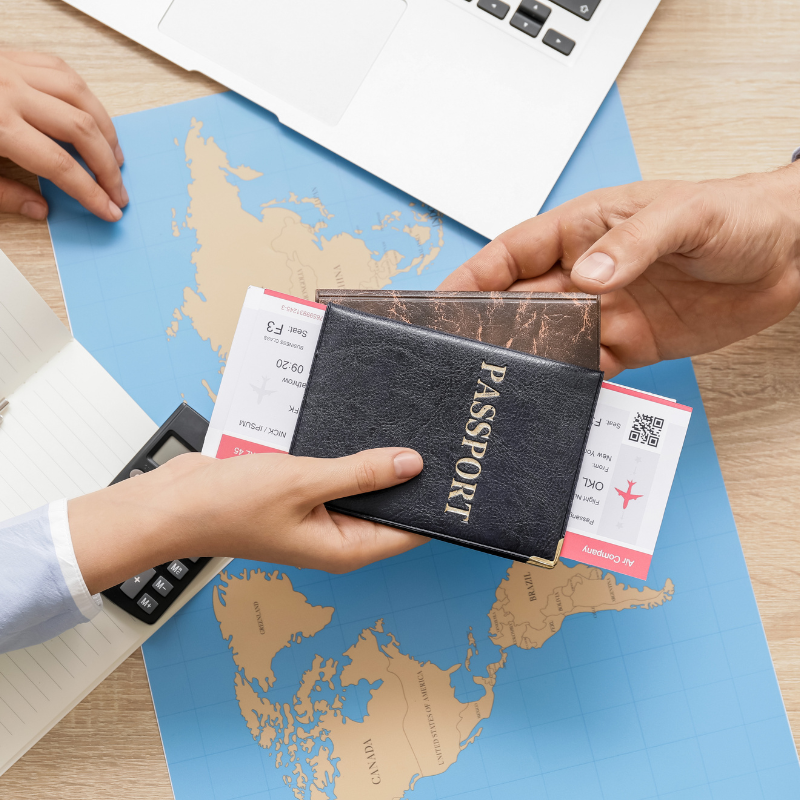
Once you have a thorough understanding of the job, where you’ll be located, and the expectations of the position, it’s time to get your documents together and get ready for traveling. You’ll need to double-check that you have the following items:
Passport with appropriate visa stamp
Copies of important documents, such as your job description and/or contract
Travel itineraries, plane tickets, and accommodations details, if necessary
Appropriate clothing for climate, role, and job conditions (is this a winter position, summer, fall, overlapping seasons?)
Health documentation/history, prescriptions, and insurance information
Adjusting to a new work environment
Just preparing to get a job and travel to America on a seasonal work visa takes a lot of work, but the real work truly begins after you arrive. Then, it’s time to get settled in and prepare for your first day of work in a long season. It’s critical to pay close attention to your employer and supervisors or managers during your first few days on the job. Here are a few tips to help you adjust to your new work environment:
Understand and follow workplace rules, policies, and daily expectations for performance and productivity
Communicate with supervisors and managers, especially if you don’t understand instructions or tasks
Maintain teamwork and professionalism:
Avoid conflicts
Use appropriate language at all times (even in employer-provided housing)
Be respectful of others even when you disagree with them
Pay close attention during safety training and equipment overviews
Stay adaptable and remain open to learning:
Be ready to pivot into different tasks quickly, without question
Ask appropriate questions when you aren’t clear on instructions or tasks

“Observe first, ask questions later,” means listening, absorbing, and paying close attention to instructions and employee onboarding and/or training materials before formulating questions for your supervisors or managers. It might sound small and unimportant, but this makes a difference to American employers. It shows you’re paying close attention and actively listening to instructions before thinking about questions. Often, your questions can be answered by the information provided, whether it’s safety training, policy review, or equipment orientation. Lock in, pay attention, and actively listen to your employers’ instructions, especially during your first few weeks in the operation.
Managing homesickness and culture shock
Working and living in America is a new experience that can be overwhelming at times. Once the initial excitement of arriving and starting your new job begins to fade, we see many seasonal visa workers experiencing homesickness and, in some cases, culture shock. This manifests itself in different ways for different people. Missing your family, your homeland, and your familiar routines is completely normal. You’re thousands of miles away in a foreign country. Take a deep breath and remember that you have an opportunity many can only dream of.
However, there are a few things you can do to curb homesickness and adjust to the new culture:
Stay connected to friends and family back home through technology (FaceTime and WhatsApp work great)
Build new friendships with coworkers and others in the community
Explore your new local community in your free time (respectfully, lawfully, safely)
Prioritize maintaining your physical and mental wellness (exercise, read, go to church, stay connected with friends and family back home)
The most important thing to remember is that you’re in America for work, not fun. The most successful H-2A and seasonal visa workers will compartmentalize work, family, free time, and personal health and well-being while performing in their jobs and treating seasonal work like a career opportunity.
It’s equally critical to follow all laws and stay out of trouble, or you’ll risk being sent home, having your job terminated, and being flagged at the consulate so it’s harder (if not impossible) to return on another visa. Likewise, you’ll want to ensure you’re taking care of your physical and mental health to be the best version of yourself while you’re away. Be sure to maintain your routines, such as exercising or working out, going to church and practicing your faith, and enjoying your other hobbies outside of work, such as golf or club sports.
Financial tips for work abroad
The goal of traveling overseas to a foreign land for work is to make money and better your life and your family’s future, so it’s critical to set yourself up for success to do just that. Here are a few things you should do to help manage your money:
Open a bank account (in America, some employers help with this, while others leave it to you)
Budget your paychecks and avoid debt (credit cards are easy to get in America, so be cautious with credit)
Thoroughly understand your paychecks, your wage rate, and any deductions
Save money during your contract period, so you’re not struggling after returning home, waiting for next season to start
Use a service such as Yepzy to quickly, efficiently, and affordably send money back home to your family
You’ll want to have a plan for how much money you’re going to send home each month and how to safely send those funds. Using a banking service like Yepzy allows unbanked guest workers to receive their paychecks, have a debit card, and send money back home at an affordable percentage rate.

How USA Truck Labor helps you prepare for seasonal jobs overseas
At USA Truck Labor, success in your seasonal job is our business. Our team designed our training program to prepare you with the driving and problem-solving skills American employers are looking for in their seasonal employees. Training ahead of time helps you stand out to employers, and also equips you with the skills you need to succeed once you start working. But, coming to our facility for training is only the first step. It’s up to you to establish professionalism and approach your seasonal job as a career opportunity that can change your future.