Turning Seasonal H-2A Jobs Into a Career Path
Your first H-2A job will change your life. Everyone has different reasons for wanting to work in America in an H-2A job. Some want the experience. Some want to earn good money to provide for their families. Some want to travel and see the world. Some want to do all of the above. However, H-2A is rarely talked about as a great career path.
All you need is one H-2A job offer, and you’ll be in a position to start a prosperous ag career in America. But making a full career out of H-2A takes skills, dedication, patience, and a willingness to stick through the hard times and overcome the many challenges you’ll inevitably face working in America’s ag industry.
There’s no shortage of work in American ag. U.S. farms grow crops and care for livestock year after year, so they need a labor force that’s willing to return each season and grow with their business, potentially working in various roles. Today’s blog looks at H-2A jobs as a career path and offers some ways you can transform these seasonal farm work opportunities into a lucrative, rewarding, and long-lasting career.
Understanding the nature of the H-2A Visa Program
When American farmers can’t find other Americans to work for their farm, they can apply for a Temporary Labor Certification from the U.S. Department of Labor (DOL). This Certification enables farm owners to legally hire foreign workers on an H-2A visa. American farm employers need to meet many requirements before earning Certification to be able to hire you through H-2A, including:
Providing housing and passing a strict housing inspection
Having an active Workers’ Comp policy (which costs thousands of dollars)
Agreeing to pay for round-trip transportation to and from South Africa (thousands of more dollars)
Providing free transportation to and from the housing to the farm site
Paying a standard H-2A program minimum wage, known as the Adverse Effect Wage Rate (AEWR)
Paying for a United States Citizenship and Immigration Services petition for your actual visa
Reimbursing you for expenses during travel, including your consulate visit and costs for things like meals and lodging during travel
Having open jobs that last 10 months or less to fit the definition of seasonal or temporary
These are just a few of the requirements American farmers must meet when utilizing the H-2A visa program. You can see these employers are responsible for a ton of extra expenses before they can even interview you or before you even land in America and start working. The last thing they want to do is have to rehire a different H-2A worker year after year.
As an H-2A worker in America, there are rules and requirements for you as well, so before you embark on this career path, it’s critical to understand the nature of the H-2A program.
You’ll be allowed to work in America for up to three consecutive years as long as you have steady employment. Steady employment means an American farmer hires you and attaches your visa to their Certification.
You can work in America on an H-2A visa for up to three consecutive years before you must return to your country of origin for a 60-day reset.
The best part of this program is that you’ll earn American dollars in your H-2A job. As of writing this, the exchange rate is $1 = R16.75, meaning for every dollar you earn in America, you’ll earn 16.75 Rand. So a $15 per hour farm job in America is the equivalent of R251.25 per hour. Likewise, many of these H-2A jobs offer over 65 hours per week. When you earn that type of compensation for 10 months, you’ll come back to South Africa with a nice amount of money. If you can sustain that pace for the 3-year limit, you’re going to return to South Africa well off. We’ve personally seen H-2A workers return to South Africa and be able to live a wealthy lifestyle.
It’s easy to see why these H-2A jobs are highly competitive and hard to come by.
Why H-2A employers prefer returning workers
There isn’t a business in the world that can survive and thrive without a labor force, and American farms are no different. There are a few more reasons why U.S. ag employers prefer returning workers, including:
Stability: Employees who return season after season, year after year, create a stable workforce and allow American farmers to focus on other areas of growing their business instead of constantly seeking employees.
Cost: Constant turnover in their workforce means American farmers have to start every season by finding new employees and training them, which takes critical time away from production or growing their businesses, and time is money.
Expectations: American farmers know exactly what to expect from their returning workers, and that trust relieves stress and frees up their attention to better their business.
Processes: Most American farmers have set processes for planting, cultivating, and harvesting their crops. Returning workers understand these processes and can contribute to perfecting and bettering these processes instead of dealing with a constant influx of new workers who don’t share the big picture.
Skills that help you build long-term H-2A careers
A good work ethic will only take you so far— you need skills to make you a valuable H-2A employee that American farmers want to hire initially and then bring back every season.
Skills will get you hired, but your work ethic and reputation will create long-term careers. It’s vital to possess all of these. But which farmworker skills should you focus on building? Let’s take a quick look:
Equipment operation: Involves operating American farm equipment such as tractors, combines, balers, sprayers, and irrigation pivots.
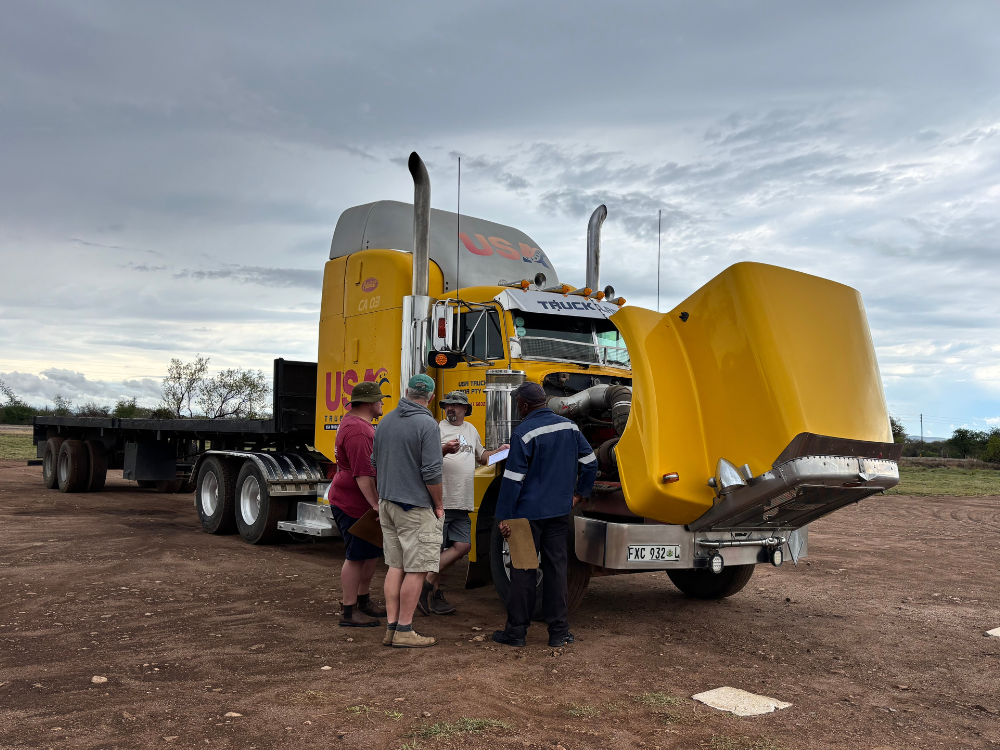
Truck driving: Involves driving all types of farm trucks, such as 18-speed semi-trucks, dump trucks, hauler or gooseneck trucks, and grain trucks.
Equipment technology: Involves an understanding and mastery of American farm equipment technology, such as precision guidance systems (GPS/GNSS), variable rate technology (VRT), drones, UAV imaging, and autonomous driving systems.
Equipment and tool/attachment repair and maintenance: Involves repairing and maintaining critical farm equipment such as farm trucks, irrigation systems, livestock infrastructure, tractors, and various tractor attachments.
Agronomy: Involves the science and technology of producing, using, and managing crops and soil for food, fuel, and land restoration.
Livestock handling: Involves understanding animal behavior, psychology, and tactics for moving, treating, and caring for livestock.
Very, very few first-time South African H-2A workers possess mastery over all or some of these skills. That’s because the American ag industry differs from that of South Africa’s. You will slowly gain mastery over these skills with additional exposure and farm work experience in the U.S. The most successful career H-2A workers specialize in one of these skill areas or possess a combination.
Check out the 5 skills you learn during farm truck training
How your reputation creates opportunities for growth
Not all H-2A jobs are going to be lifelong career opportunities, and not every farm owner is going to need workers every season. For example, some American farmers gain Certification knowing they’ll only need workers for a couple of years while their kids are away at college or while their kids are still young. Whatever the reason, not every H-2A job presents an opportunity for a lasting career. Many of these farm jobs are truly temporary. With that said, each H-2A job offers you an opportunity to parlay the position into a meaningful H-2A career.
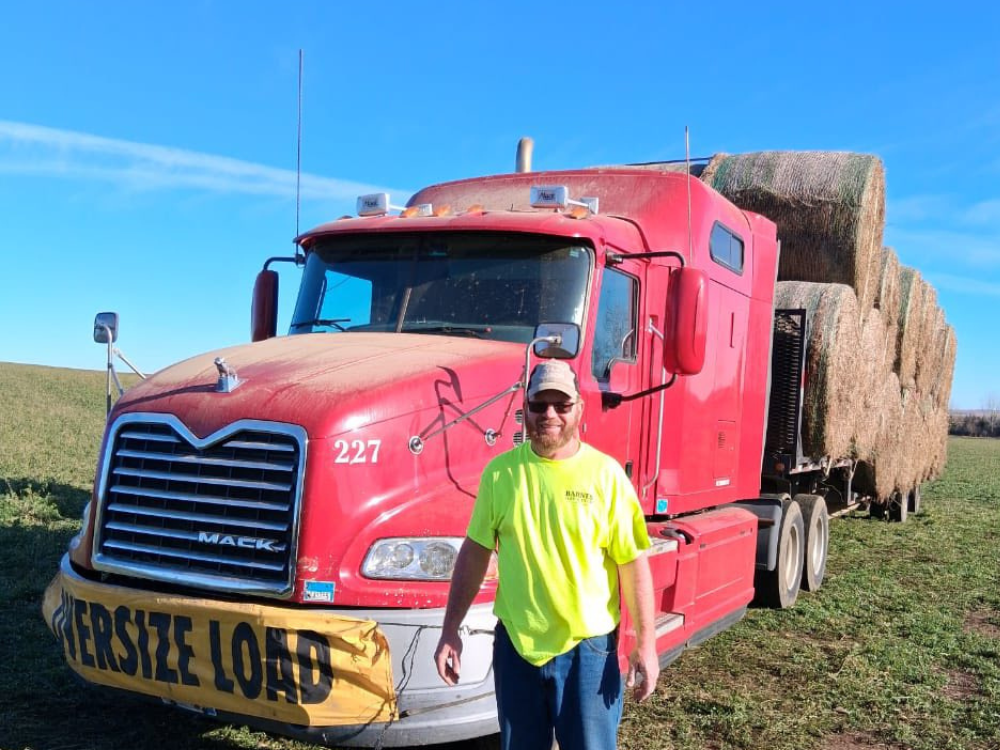
The American ag industry relies heavily on H-2A workers with solid U.S.-based references, so you never know how one opportunity will unlock future job opportunities. American farmers talk to one another about workers, your work ethic, and whether they’d hire you, and that’s where your reputation can and will make or break your H-2A career.
Workers who successfully build long-term relationships with American farm employers tend to exhibit similar soft skills, such as:
Showing up on time
Following safety rules
Communicating well with supervisors, owners, and managers
Maintaining a positive attitude
These are all traits and behaviors that you can control, regardless of your skill level or experience working on farms in the States. These behaviors also build trust with your employer. When employers trust you, you’ll possibly be in a better position for more opportunities, such as:
Operating more advanced equipment
Assisting with training new farmworkers
Managing small teams
Handling specialized tasks
These responsibilities look great on your resume and CV and will oftentimes lead to higher-paying H-2A jobs. Those H-2A workers with a combination of skills, experience, and work with critical responsibilities are in a better position to make a long-term career out of seasonal farm work in America.
Check out these resume and CV tips for H2A jobs in America
Building a future in H-2A through skills, dedication, professionalism, and reliability
Creating a long-term career path working H-2A jobs takes skills, dedication, reliability, and a commitment to being the best farm employee possible. The American ag industry is in desperate need of skilled, reliable, legal seasonal labor to run successful operations.
Seasonal work doesn’t have to mean short-term opportunity. Many H-2A workers build long-lasting relationships with farms over many seasons. By developing skills, maintaining professionalism, and gaining experience, H-2A workers can turn seasonal work into a reliable and rewarding career path.