Current and Proposed Changes in the H2A Program: What it Means for You
The H2A program is complex, with tons of rules and regulations in place for both employers and seasonal workers. Many changes have occurred in the seasonal labor program. Today’s blog takes a look at all the changes over the last year so you can be prepared to succeed in your seasonal farm career both now and in the future.
How does the H2A visa program work?
The H2A program is a seasonal United States government visa program that allows American farmers and ag businesses to hire foreign seasonal farmworkers when there aren’t enough domestic (American) applicants or workers. American farmers must prove both a seasonal need and a shortage of domestic labor before the United States Department of Labor (DOL) will issue a Temporary Labor Certification. The Certification issued means that farmers can legally hire you.
Once Certified, farmers can begin making job offers to foreign applicants like yourself. After a job offer is made, you can schedule a consulate appointment and interview for an H2A visa. Once you’re approved for a visa, you can travel to the U.S. to legally work for an employer.
However, there have been several changes to the program over the last year. Not all of these changes are welcomed by the H-2A worker community. Let’s take a look.
What we’re seeing in the H2A program over the past year
There have been many changes to H2A regulations over the last year or so. The goal of these changes to the program is to provide American farmers with long-overdue relief while balancing regulatory changes and reform efforts. Changes to H-2A include:
Wage rates and how those rates are calculated
Types of farms eligible
Processing and approval times
Application types and staggered entries
Of course, not all of these changes to the H2A visa program are beneficial. Let’s take a closer look at some of these changes and how they impact your seasonal jobs moving forward.
Faster, more efficient application and visa processing
One of the major changes to the H2A program is new efforts to streamline (Certification) application and visa processing. If you tried getting a visa this past year, you know these efforts aren’t quite working as intended. We saw a lot of delays and denials (especially for driving-related jobs) out of South Africa. There are a lot of issues that need to be resolved on the visa processing end of the program.
One of the ways that the U.S. government intends to create a faster, more efficient processing system is the increased use of electronic filing and coordination between government agencies. American employers can file United States Citizenship and Immigration Services (USCIS) petitions electronically. The new feature is designed to speed up processing and approval times.
Again, we’re still seeing issues with the new systems, but we do remain hopeful that these problems will be resolved and that a better system is in store for everyone involved — farmers and workers.
Changes to wage rates and wage rate calculations
Perhaps the change that affects you the most is the lowered wage rates and the way those rates are calculated. H2A wage rates, also called Adverse Effect Wage Rates (AEWRs), are now calculated using the Bureau of Labor Statistics (BLS) information and data as opposed to the Farm Labor Survey (FLS). Wages still vary by state and occupation, but should be more reflective of the region where you’re working moving forward.
Wage rates vary by state and are structured into two skill levels: Level I (Entry-Level) and Level II (Experienced). Employers must pay the highest of the AEWR, state pr federal minimum wage, or the prevailing wage. Wage rates also incorporate an Adverse Compensation Adjustment (ACA), which reduces the AEWR to account for employer-provided housing, helping employers offset some of the costs of using the program. This is good news and bad news. Good news because a more affordable program means access for more employers, thus creating more jobs. Bad news because you will be paid less now than you would have in previous seasons.
Likewise, the current H2A wage rates are significantly lower than in years past. Lower wages aren’t without at least some merit, though, as those wage rates have been (somewhat) artificially inflated for several years in a row, easily outpacing the rate of inflation and cost of living in America.
We know this isn’t the type of change you want to see if you’re hoping to land a seasonal H2A job. The good news is that the favorable exchange rate between the U.S. Dollar and the South African Rand remains steady and helps your earnings go further. Ultimately, H2A jobs are still great jobs and can be life-changing opportunities for you and your family.
Check out our tips for managing your money on an H2A contract
Proposed changes: Longer seasons and different types of ag operations
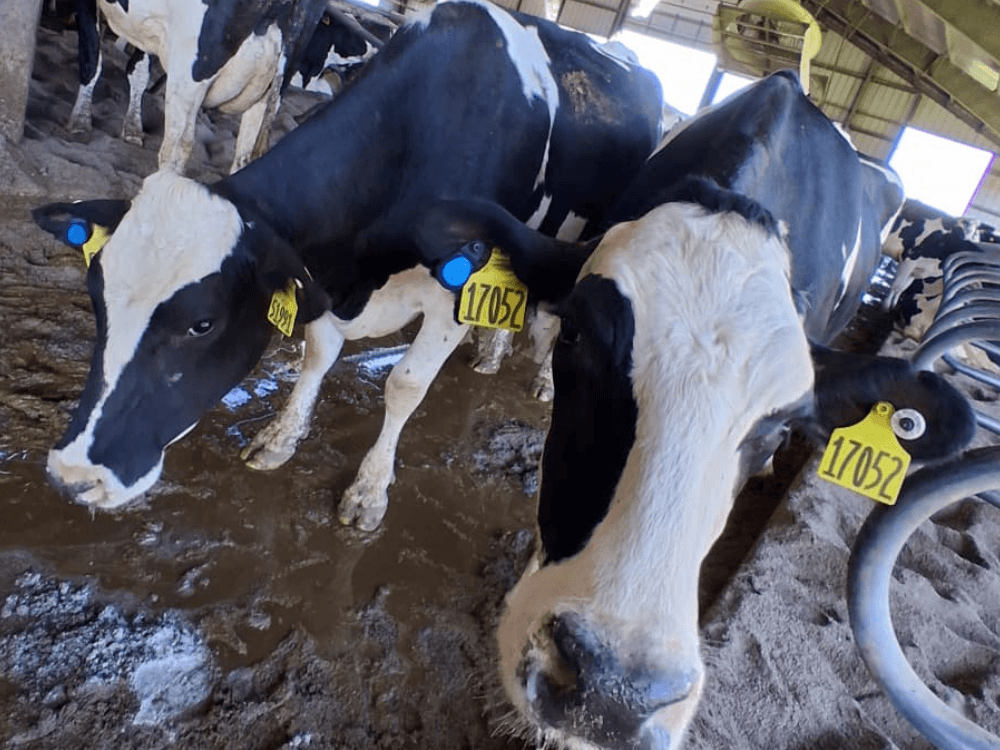
The Saving America’s Workforce Act (SAWA) is legislation aimed at reforming the H-2A visa program with some fairly major changes. First, the bill proposes longer H-2A seasons at 350 days instead of the current threshold of 10 months. Next, the bill seeks to expand the H-2A program to different types of ag operations, namely dairies, which were traditionally considered year-round operations and were not eligible to use the seasonal visa program for temporary workers.
What these changes mean for South African H-2A candidates
For South African workers interested in seasonal jobs in the United States, these recent updates are a positive sign that the H-2A program continues to grow and remain an important source of labor for American agriculture.
More employment opportunities
As more employers rely on the program to fill workforce shortages, qualified workers will continue to find valuable opportunities. Likewise, the expansion of the program to include different types of ag operations and longer seasons (350 days) creates even more opportunities for seasonal workers in the U.S. to carve out a lucrative career in agriculture.
Importance of working with reputable recruiters
Competition for seasonal H-2A positions is increasing, making it more important than ever to work with a reputable recruiter who can connect you with legitimate employers and guide you through the visa process.
Employers are also placing greater value on workers who can demonstrate their skills and professionalism before arriving. Completing training, verifying your experience, and maintaining a strong worker profile can help you stand out and improve your chances of being selected for future H-2A contracts.
USA Truck Labor prepares candidates for the changing H-2A and seasonal work landscape
There are many pros and cons to the changes facing the H-2A visa program. Ultimately, the expansion of the program is a good thing for H-2A candidates and anyone hoping to work in America. Although wages are lower than in years past, the program continues to grow and the need for foreign workers is increasing.
USA Truck Labor’s training and skills verification programs are designed to keep you ahead of the competition and stand out to potential employers.
Book a call online to learn more about our programs or to secure your training dates. Our program director is standing by, waiting to hear from you.