Different Types of Ag Businesses and Farms in America Using H-2A
The 2022 Census of Agriculture in America discovered that there are over 1.8 million farms in the United States. An estimated 90% or more of these farms are considered “family-owned” businesses. American farms cover more than 850 million acres of land. However, not all American farms and ag businesses are the same, just like not all H-2A jobs are the same.
Our farm truck training is designed to prepare H-2A candidates to work on a variety of different farms and for various types of employers, but you’ll still want to have an idea of the types of businesses in need of skilled workers. It’s critical to know that not all of types of farms and ag businesses qualify for the H-2A program, so in that case, we’re only discussing eligible types of farms.
Today’s blog covers the different types of farms and ag businesses in America using H-2A so you can choose the path that best fits your skillset and matches your professional interests.
Row crop farms
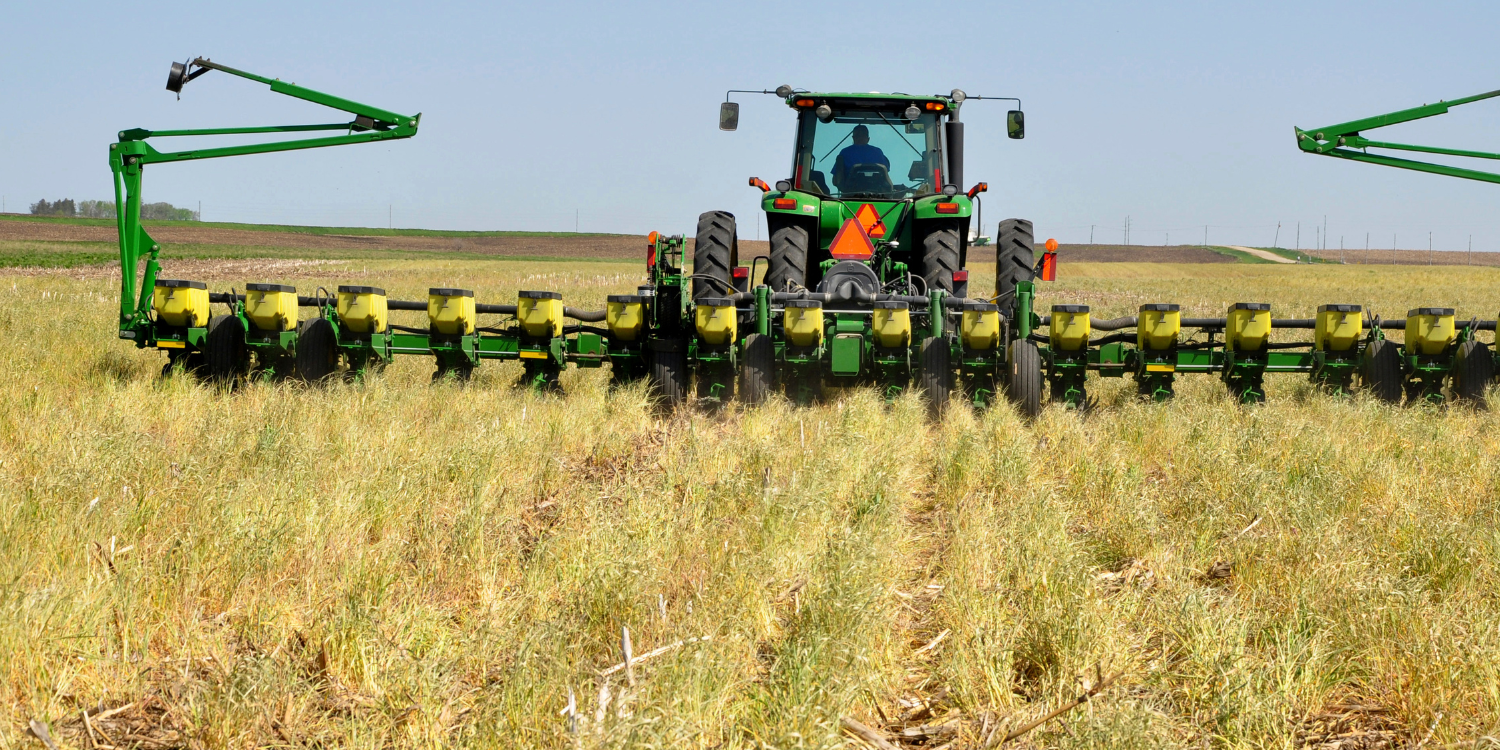
Row crop farms are perhaps the most common type of farm in America, especially in Midwest states such as Illinois, Indiana, and Iowa. These operations specialize in growing row crops such as:
Corn
Soybeans
Cotton
Wheat
Sugar Beets
Peanuts
Row crop farms are purely seasonal, meaning they have a set growing schedule that doesn’t last all year. Most row crop operations have predetermined timeframes for planting, cultivating, and harvesting crops.
These farms need a lot of skilled labor for a successful growing season. There is a range of tasks associated with row crop farms, including:
Operating ag equipment: driving tractors, tillers, combine harvesters, and more
Driving trucks: including semis, dumps, flatbeds, and grain trucks for harvesting and hauling crops or tools and supplies
Mechanical and maintenance: repairing and servicing the different types of equipment, tractors, attachments, tools, and trucks used for growing crops
Read more about the different types of farm jobs in America
Fruit and vegetable farms
Fruit and vegetable farms are similar to row crop farms but specialize in (you guessed it) growing and harvesting various fruits and vegetables. These farms differ from row crop farms in that these operations need a specialized harvest crew capable of physically picking and pulling the fruits and vegetables out of the ground or off of trees and plants. Here are some of the characteristics of fruit and vegetable farms in America:
Labor-intensive: operations rely heavily on manual hand-picking to harvest crops
Emphasis on quality: fruits and vegetables are sensitive crops that need close inspection and quality control to be profitable
It is hard to automate or mechanize these operations, though advancements are being made. Still, these operations require manual labor to plant, irrigate, and harvest fruits and vegetables. The majority of H-2A jobs in America are with fruit and vegetable operations that rely heavily on large crews of pickers and packers to harvest their crops and prepare them for sale. Other fruit and vegetable H-2A opportunities include:
Irrigation specialists
Field supervisors
Packers
Dairy farms
Dairy farms specialize in milk-producing cows to fill tanks with raw cow’s milk for market. These operations produce milk year-round and DO NOT typically qualify for the H-2A program as a result of their non-seasonal nature.
However, some dairy farms also grow crops or chop silage to supplement their dairy operation or feed their livestock, so it’s not out of the question for H-2A candidates to work for one of these types of ag businesses. Just don’t expect to work directly with the dairy cows.
Furthermore, H-2A workers aren’t permitted to perform any tasks that the U.S. Department of Labor (DOL) considers year-round. All tasks associated with dairy cows are considered year-round, so it’s not very common to work for one of these operations on an H-2A visa unless you’re hired to chop silage or cultivate and harvest crops.
Livestock ranches and feedlots
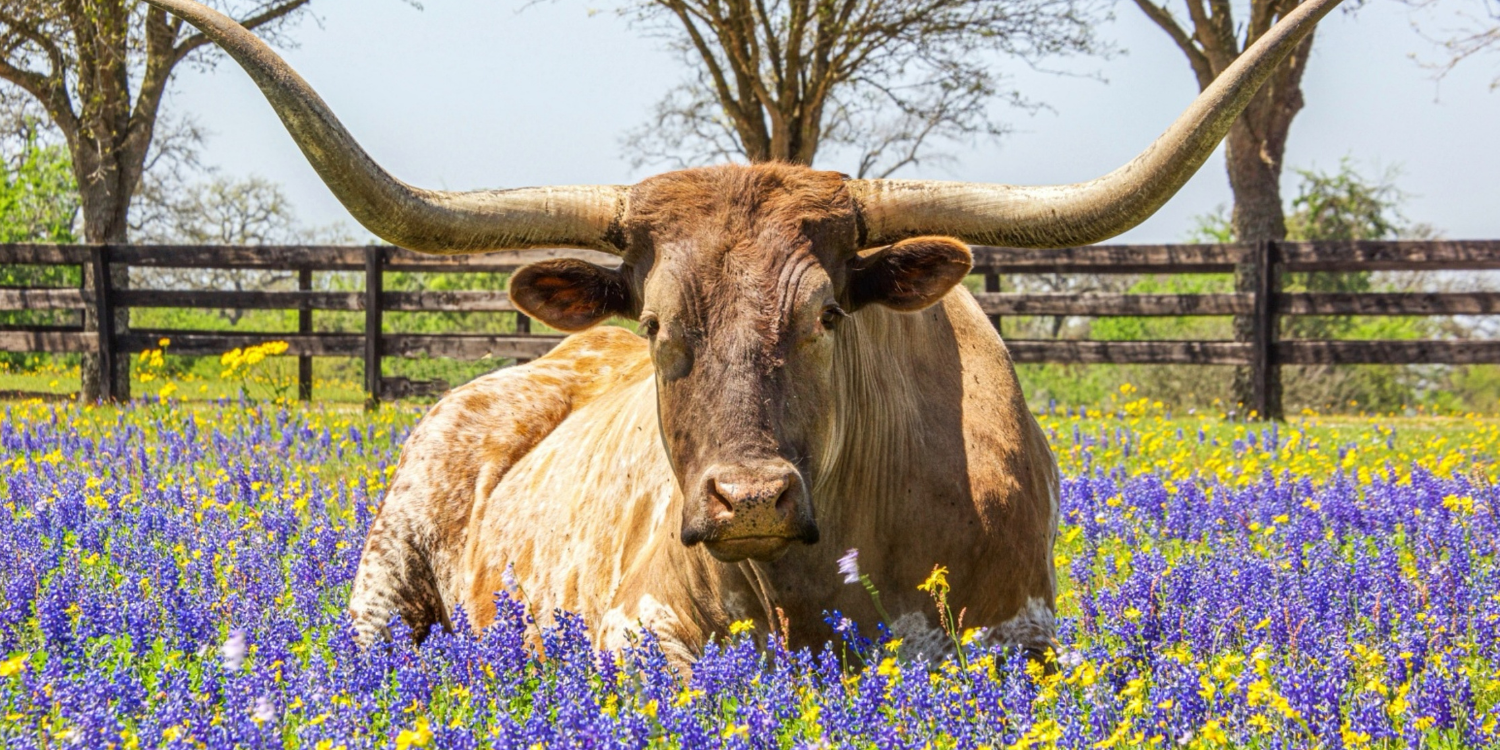
Livestock ranches often occupy large tracts of land to hold various types of animals used in food production. Livestock ranches and feedlots involve working with animals grown, sold, and slaughtered for food, such as:
Beef cattle
Sheep
Goats
Hogs
Feedlots are a unique type of livestock operation that brings animals such as beef cattle off the pasture and into a confined area to maximize their growth and prepare them for profitable slaughter. Some livestock ranches are also feedlots, but not all.
Although these operations generally run year-round, the majority of livestock ranches and feedlots are seasonal in their operations and do qualify for the H-2A program, which means jobs for you. Common tasks associated with livestock ranches and feedlots include:
Fence and pasture construction, repair, and maintenance
Repairing, building, and maintaining barns and animal housing structures
Equipment operators and truck drivers to transport beef cattle, feed, and to help maintain pastures and grounds
Nurseries, greenhouses, and horticulture operations
These farm operations specialize in growing plants, flowers, trees, and other landscaping materials. Although these farms aren’t growing any type of consumable food, the operations are still considered agricultural in nature. Here are a few of the tasks associated with a nursery, greenhouse, and horticulture farm:
Caring for plants as they grow
Transplanting plants from pots to the ground and vice versa
Irrigation and monitoring irrigation
Temperature and climate control (indoor or greenhouse growing)
Preparing plants for sale (though not directly selling to consumers)
Maintaining, building, and repairing greenhouses and grow houses
The H-2A program restricts the tasks that workers can perform on farms and ag businesses, so you’ll not be allowed to sell products directly to consumers. H-2A only allows workers to deal with crops and other commodities in their natural, raw state.
Specialty ag operations and services
Not all farms and ag businesses can be classified as a traditional “farm” or growing operation. Some ag businesses perform services on farms for other fixed-site farmers. A few examples of these ag businesses include:
Custom harvesters
Irrigation specialists
Mobile equipment repair and maintenance
Field drainage specialists
Spraying and pest control specialists
These types of businesses are classified as Farm Labor Contractors (FLCs) by the DOL for H-2A program purposes. These businesses have some additional requirements beyond typical fixed-site crop or livestock farms, and offer a wide range of jobs for H-2A workers.
Learn more about turning seasonal H-2A jobs into a career path
How training prepares you to succeed with different types of farms and ag businesses
The goal of the USA Truck Labor training program is to prepare you with the skills needed to succeed across different types of farms by focusing on:
Skills that transfer, such as driving American semi trucks and operating common types of equipment
Safety training initiatives that all types of American ag employers are looking for in their H-2A employees
Preparing candidates for the professional expectations of working in U.S. agriculture
Familiarizing candidates with common types of equipment, tools, and attachments