What is a Pre-Trip Inspection? A Practical Guide for H-2A Farm Drivers
Safety is one of the most important aspects of working in America on an H-2A visa. American employers expect their H-2A workers to understand basic safety practices and procedures, especially when operating equipment or driving trucks.
A big part of safely operating trucks, vehicles, and other farm equipment is conducting vehicle inspections. Pre- and post-trip inspections are vital in the American trucking and agricultural industries. Your pre-trip inspection is the first safety check of the day. Today’s blog breaks down what a pre-trip inspection is, why it’s important, and offers a sample pre-trip checklist.
What is a pre-trip inspection?
A pre-trip inspection is a safety check of a truck or vehicle before driving or operating. Pre-trip inspections are the first and one of the most important safety procedures of the day before you get behind the wheel of a truck or vehicle. The pre-trip inspection needs to check various components of the truck to ensure it is safe for driving on the roads. For commercial trucks, the DOT requires a pre-trip inspection, and all inspections must be accurately documented. Law enforcement in America can stop a commercial truck at any time for any reason and request that documentation. Without proper pre-trip (and post-trip) documentation, drivers and operators are open to fines and legal penalties.

Why are pre-trip inspections important for H-2A farm drivers?
Pre-trip inspections are important for H-2A farm drivers because it’s a procedure that can literally save your life. A pre-trip inspection that uncovers issues with the steering or braking system, for example, can prevent deadly accidents before they occur. Although not all farm trucks are legally required to have a pre-trip inspection documented before driving, the impact of safety checks beforehand can’t be overstated.
What should you check during a pre-trip inspection?
A thorough pre-trip inspection will take you at least 30 minutes and checks critical systems and mechanical components to ensure the truck is ready for the road. Here are some of the things you’ll check during a pre-trip inspection of your truck:
General condition: Check the general overall condition of the truck. Look for dents, scratches, and cracks in the cab or the trailer/bed, if applicable.
Tires and wheels: Check tires for the ABC’s— abrasions, bulges, and cuts. Check the wheels for any cracks or dents.
Lights and reflectors: Ensure all the lights work, including running lights, brake lights, trailer running lights, reverse lights, tag lights, and all reflectors.
Brakes: Check the brake system for damage, including brake drums and air brake lines. Carefully inspect the lines to ensure no bulges or cuts, and ensure the mounting bolts are secured in the chamber.
Steering and suspension: Check your U-bolts, tie rods, shock absorbers, and axles to ensure there are no cracks or damaged parts. All cotter pins should be in place, and nothing should be loose or hanging.
Mirrors and windshields: Your mirrors and windshield should be free of cracks or damage, with mirrors adjusted to the correct angle for you as the driver. Be sure the windshield wipers work correctly and move freely without obstruction.
Engine compartment: Examine the engine compartment on both the driver and passenger sides. Carefully check various components such as alternator belts, radiator hoses, and the engine block for leaks, cracks, or other damage. Likewise, check all of the fluid levels such as oil, coolant, and power steering fluid.
Fuel and exhaust: Check for fuel leaks, loose or damaged components, and be sure the exhaust system is free from cracks or damaged parts.
Coupling and trailer components: Inspect the fifth wheel, kingpin, locking mechanism, and the various electrical and air line connections. Carefully test the trailer’s landing gear, and ensure the trailer doors close and lock securely.
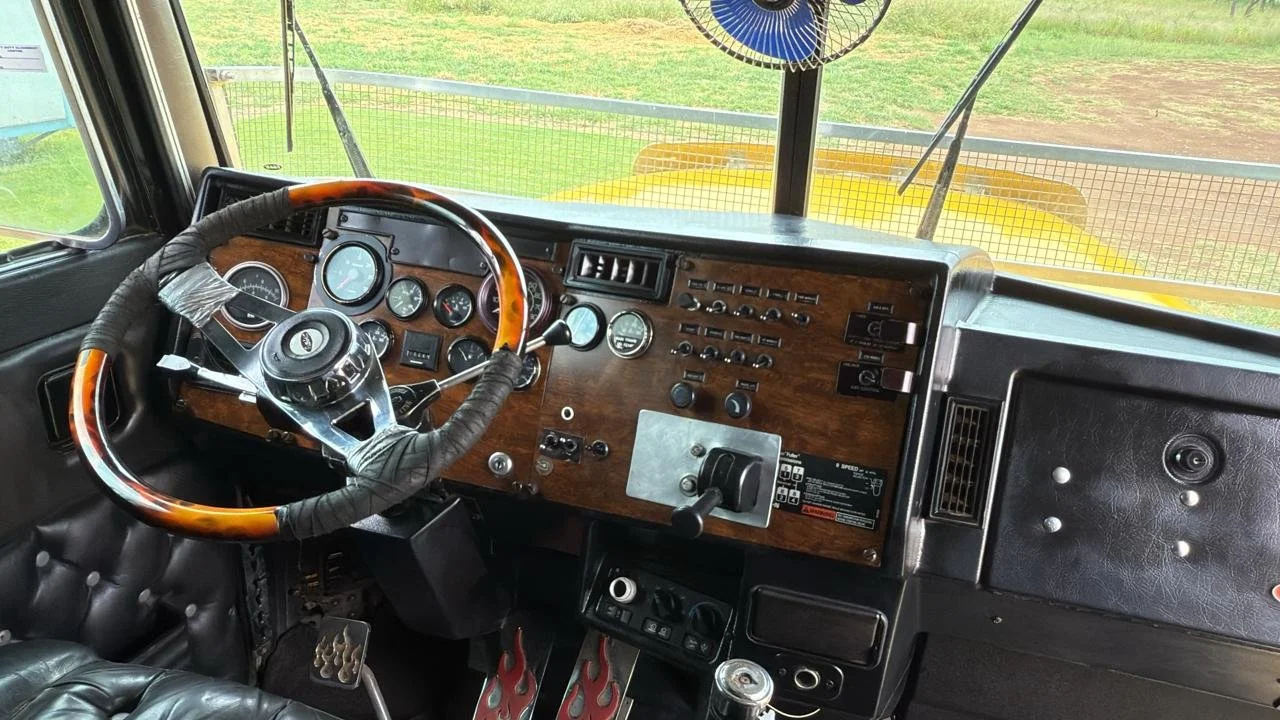
Inside the cab: Climb into the cab and inspect components such as the seatbelt, warning lights, horn, and gauges. Be sure your cab is equipped with a safety kit and emergency roadside equipment such as orange cones/markers and flares.
These are just examples of some of the common systems and components checked during a pre-trip truck inspection. This is in no way intended to be a comprehensive list of what to check during a pre-trip inspection. Always be sure to check with your employer for their preferred pre-trip checklist, and follow their directions carefully before starting your inspections.
What if you find something wrong during a pre-trip inspection?
It’s one thing to conduct a pre-trip inspection, but you need to understand what to do if you find something wrong during the pre-trip inspection. It’s important to remember that if you find something wrong, the worst thing you can do is nothing or keep that information from your employer. Here’s what to do if you find something wrong with the truck during your pre-trip inspection:
Stop
Report
Repair
Recheck
Drive
Stop where you’re at with the inspection and immediately report the issue to your employer or supervisor so they can take the proper steps to repair the issue, or issues. Once the issue has been repaired, recheck the system or the component, conduct another thorough pre-trip inspection, and test drive the truck.
Read more about what American farm employers expect in your first 30 days
Common pre-trip inspection mistakes by H-2A workers
Your first couple of weeks on the job, driving farm trucks, is a critical time. You’re likely to be a little nervous and out of your comfort zone. That’s to be expected. You’re in another country, working for an employer, and you’re still finding your place in your new job. It’s common for H-2A workers to make mistakes during this time.
Of course, the main goal is to avoid mistakes that can cost you a job or cost your employer their growing or service season. Here are a few of the most common mistakes made by H-2A workers during pre-trip inspections:
Rushing: Take your time during pre-trip inspections, and if you must, start earlier to ensure you have enough time to conduct a thorough pre-trip inspection.
Only checking tires: Do not just check the tires and call it a pre-trip inspection. Be sure to thoroughly check over all of the required components.
Ignoring warning/check engine lights: Do not disregard warning or check engine lights on the dash. Take these seriously and immediately report warning lights to your employer or supervisor.
Assuming someone else did the inspection: Do not just assume that someone else performed a pre-trip inspection on your truck. Always conduct the pre- and post-trip inspections yourself and document the necessary or required information.
Driving with a known issue: For both your safety and the safety of other drivers on the road, you should never ever drive a truck with a known issue. Immediately report the slightest problems, and follow through with your employer or supervisor to ensure the issues have been resolved before driving.
Sample pre-trip inspection checklist
Here’s a sample pre-trip checklist:
☐ Tires and wheels
☐ Lights and reflectors
☐ Brakes
☐ Steering and suspension
☐ Mirrors and windshield
☐ Wipers and washer system
☐ Fluid levels
☐ Belts and hoses
☐ Fuel system
☐ Exhaust system
☐ Coupling equipment
☐ Trailer components
☐ Safety equipment
☐ Seat belt
☐ Dashboard warning lights
☐ Horn
☐ Parking brake
☐ Overall vehicle condition
Again, this checklist should in no way, shape, or form be construed as an official pre-trip inspection checklist. ALWAYS check with your employer or supervisor for their required checklist and inspection preferences.
Thorough pre- and post-trip inspections are signs of a professional driver. Whether you’re new to H-2A truck driving jobs or you have years of experience, pre-trip inspections are a critical, necessary safety procedure that can save your life and the lives of other drivers around you on the road. Always take these inspections seriously and set aside plenty of time to conduct a thorough inspection as required by your employer or supervisor.
Preparing for an H-2A driving job? Come to USA Truck Labor for Training
USA Truck Labor helps H-2A candidates develop the necessary skills to succeed in American farm truck driving roles, including how to perform the necessary pre- and post-trip inspections, among many other skills. If you’re hoping to land an American H-2A farm job in 2027, this is the perfect time to book your training session.
Apply for training online or arrange a call with our resident training director, Jandre Eksteen, to learn more about our program and book your slot. Call us today at 083-414-1062 or send us an email inquiry at admin@usatrucklabor.co.za.