What is a Grain Truck?
Ag operations in America rely on many different types of tools and equipment to get the job done. From high-tech tractors and combines to simple shovels and post diggers, H-2A candidates are expected to understand how to use a wide range of tools and equipment and their applications on the farms.
One of the most important pieces of equipment you’ll find on an American farm or ag business is a grain truck, sometimes called a grain cart. Grain trucks are critical pieces of harvest equipment, and crop farmers are going to expect you to understand how they work, what they’re used for, and how to operate them. Today’s blog breaks down what a grain truck is, types of grain trucks, and why they’re critical for farm operations in America.
What is a grain truck?
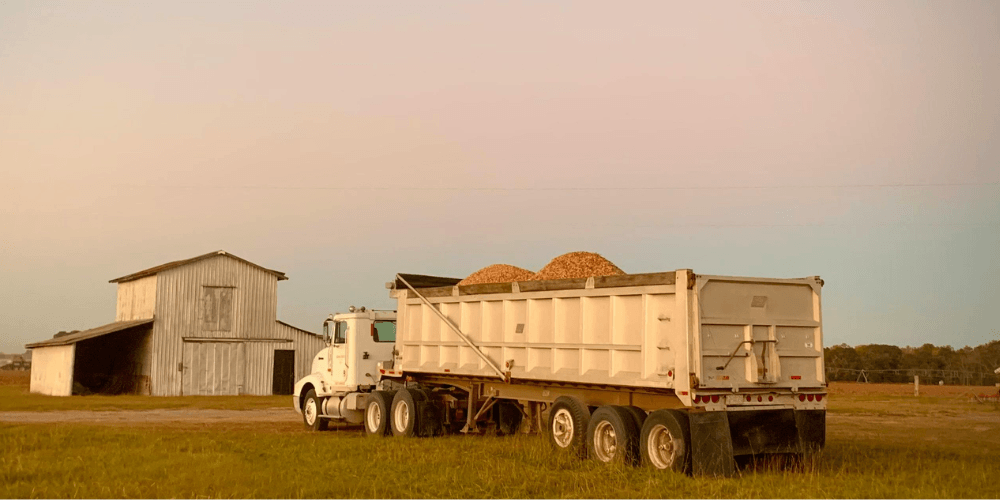
A grain truck is a piece of agricultural equipment designed for hauling commodities such as corn, wheat, soybeans, and sugar beets from a farm to a storage facility, processing plant, or grain elevator. Grain trucks come in a variety of sizes and types to meet the demands of the operation and harvest and haul the intended crops. Grain truck drivers are some of the most essential farm employees. Dependable grain truck drivers keep farm operations on track and profits flowing by efficiently hauling harvests, while subpar or inexperienced drivers can put the entire season in jeopardy.
Features of a grain truck
Grain trucks are available in many different sizes and types depending on the operation and the types of crops you’re harvesting and transporting. Here are some of the common features of grain trucks:
Versatile beds: Many grain trucks are designed with beds that allow operators to easily drop crops and commodities out of the trailers without having to manually move the loads.
Sight windows and ladders: It is common for grain trucks to have sight windows from the cab of the truck to the bed or trailer so operators can see grain levels as the truck is filled without having to climb up into the truck bed or trailer. Many models also have ladders on the outside of the containers so operators and loaders can easily climb the sides to see grain levels or check crop health.
High capacity: Grain trucks need a high load capacity to hold as much weight and volume as possible. Some grain trucks hold up to 40 tons of raw material or more. The high-capacity feature means fewer loads to grain elevators or storage facilities, leading to higher profits and returns.
Durable and lightweight: Grain trucks need to be durable enough to hold tons of crops and meet the demands of harvest while also being lightweight enough to maneuver through fields and various farm terrains without bogging down and getting stuck.
Roll covers: Many grain trucks come equipped with roll covers that go over the beds to protect harvested crop loads from the elements, such as rain or wind, which can damage or compromise harvest yields.
Read more about GPS and technology every H2A worker should know
Types of grain trucks
Grain trucks are critical to the success of any crop farm operation. There are several types of grain trucks and grain trailers used in American agriculture, including:
Straight/rigid trailer grain trucks: The most common type of grain truck is a straight trailer, or rigid trailer, grain truck, which connects the tractor to a trailer (typically 48 ft.) to collect the harvested crops and grains.
Hopper-bottom beds/trailers: Many grain trucks and trailers have hopper bottoms, which are slightly sloped beds equipped with hatch doors to easily drop loads of harvested crops and grains at the storage facilities or elevators. Many straight grain trailers come with hopper bottoms.
Dump truck/trailers: Some grain trucks are smaller and more versatile, complete with dump trailers, or beds, that move up and down with a hydraulic lift to dump loads of grain or crops. Dumps are also used for transporting other types of materials around the farm.
Live floor/belt trailers: More advanced grain trucks come with conveyor belt-driven floors to easily move crops and grains out of the trailer.
Check out our beginner's guide to U.S. farm equipment
Challenges and importance of driving a grain truck
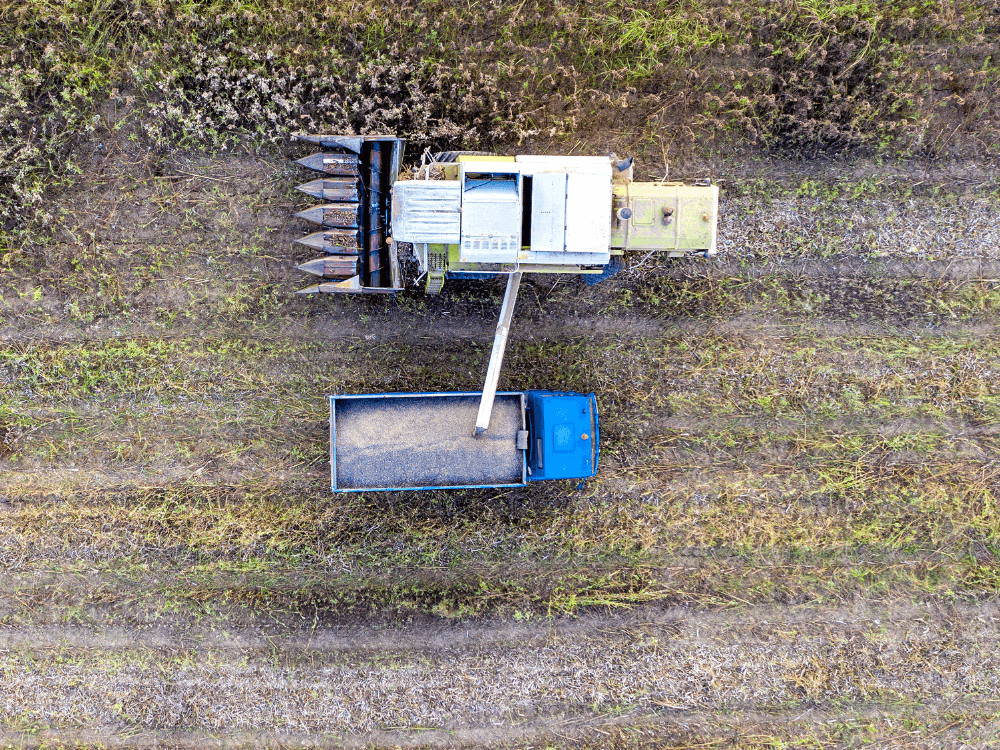
Driving farm trucks is challenging, regardless of the type of farm truck you’re operating. Navigating around the farm, through fields, across various terrains takes skill, patience, and heightened awareness. Grain trucks are designed specifically for driving alongside harvest equipment in fields.
Grain truck drivers are often exposed to long hours and must keep tight schedules during peak harvest season when the need for transporting crops from farms to storage facilities is high. The entire growing season depends on delivering harvested crops to storage or elevators.
Grain truck drivers don’t just navigate through fields but also through various weather conditions and across some of America’s most rural roads, adding to the challenge of driving a grain truck. Drivers must be hyper-aware of load limits, safety regulations, delivery schedules, and crop yield goals.
Likewise, grain truck drivers must communicate effectively with dispatchers and grain elevator staff to ensure timely deliveries and prevent bottlenecks at drop-off or in the fields. Drivers need to be able to manage the stress of harvest season, plus ensure their vehicles are maintained and operating efficiently to prevent breakdowns and delays during this critical timeframe.
USA Truck Labor understands American farms and prepares you for driving all types of farm trucks
Harvest season is the World Cup for farmers, and grain truck drivers are the star players. Without skilled, dedicated grain truck drivers, crops don’t make it to their final destination, people don’t eat, and farmers don’t get paid for months of hard work and dedication.
Our team has actually been to America and stepped foot on an American farm to learn firsthand what farmers need from their seasonal workers. As a result, we’re in a unique position to prepare you for seasonal farm work in America. Our 4-day, 3-day, and 2-day training courses are designed to prepare you for operating a variety of farm vehicles and trucks so you can succeed in America.
Book a call online with our resident program director to learn more about our services or to secure your training slot.