10 American Farm Terms Every South African H-2A Worker Should Know
Terminology matters in American farming. Although the differences between South African and American farm terms are sometimes small, it’s critical to understand what your American farm employer is telling you to do or what they’re talking about before you start working in the U.S. Learning these terms before your first interview can make the difference between a job offer and spending another H-2A season on the sidelines, watching from home in South Africa.
Today’s blog breaks down 10 American farm terms every South African H-2A worker should know before going to work in U.S. agriculture.
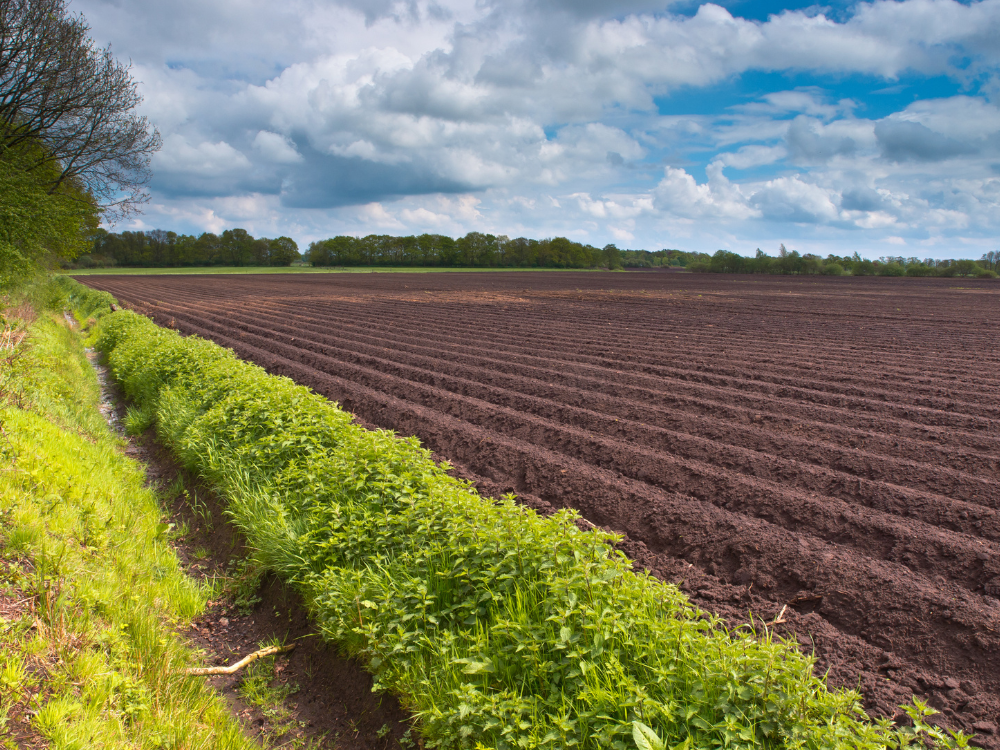
1. Acre
One of the biggest differences between farming in America and farming in South Africa is the units of measurement. In South Africa, we use the metric system for land measurements — hectares. Aspiring H-2A workers must understand the difference between hectares and acres. An acre is a unit of land measurement equal to about 2.5 hectares, or 200 ft. x 200 ft., so an acre is much larger than a hectare. American farms are measured in acres, with some spanning 5,000 – 10,000 acres or more.
2. Pickup Truck
In South Africa, we call pickup trucks bakkies. Pickup trucks are an essential vehicle for American farm operations. Some farmers might refer to these as trucks, pickups, or pickup trucks. Pickup trucks are commonly used to transport tools to the fields or transport workers to and from the housing to the worksite. Understanding the term pickup truck will help you communicate from the start.
3. Semi-Truck
Semi-trucks are typically called tractor trucks, superlinks, or articulated vehicles in South Africa. American farm employers also refer to semi-trucks as just trucks, just like they do with pickup trucks. You’ll need to understand the context of the term truck when you hear it from your farm employer.
4. Headland
The headland is the area of the crop field at the end of rows where equipment can safely and efficiently turn around to make another pass over the crops or through the field. Whether it's a tractor, truck, or harvester, the headland is the area in the field where your equipment can safely turn around. While you may be familiar with this common farming term, it’s important to note that American employers refer to this section of the field as the headland.
5. Implement/Attachment
The terms implement and attachment are interchangeable and refer to a piece of equipment attached to a tractor such as a baler, planter, tiller, or sprayer. While the term implement is common to both America and South Africa, you may hear implement and attachment used interchangeably, and it’s critical to understand.
6. Power Take Off (PTO)
A power take off, or PTO, is a mechanism that transfers power from a truck or tractor engine to the attachment or implement such as mowers or hay balers. Understanding the term PTO and how a PTO system works is also a safety measure for working on American farms.
7. Combine
Combine harvesters are a common piece of equipment in South African agriculture, but American farmers typically refer to these as simply combines. Combine harvesters are simply called combines because they “combine” several harvesting functions into one piece of machinery. It’s a small difference, but understanding the variation is critical. You’re likely to be asked about your ability to operate a combine during an interview, so understanding the difference could mean a job offer or another season on the sidelines.
Read more about common types of harvesting equipment used by H-2A workers
8. Grain Cart
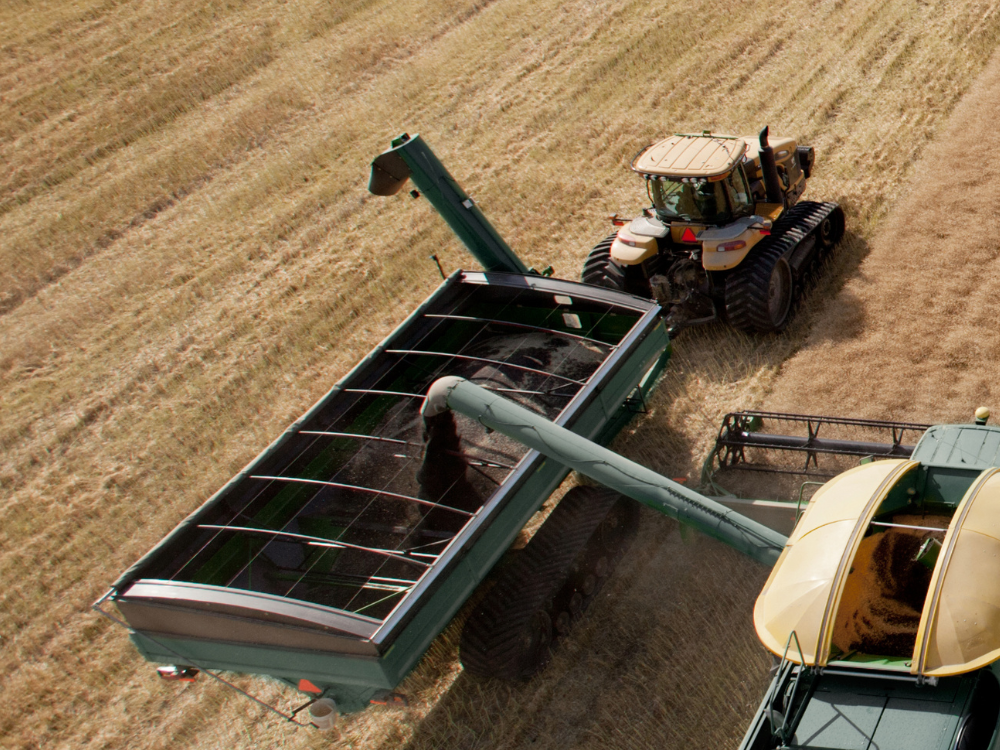
Known as chaser bins or auger wagons in South Africa, grain carts are large, tractor-pulled trailers that follow combines to collect harvested grains and crops. Again, American employers are likely to ask you about your experience and skills with grain carts, so you’ll need to understand exactly what they’re referring to during interviews and orientation.
9. Shop
Americans love to shorten common terms. American farmers are likely to call the workshop a shop. The shop is typically the building on the farm where equipment and tools are stored and maintained. American employers might tell you to take the truck or the tractor to the shop, and it’s important to understand what they’re telling you to do. The difference here is small but important, especially if you work in H-2A, H-2B, or another type of seasonal work visa.
10. Grain Elevator
A grain elevator is typically called a grain silo in South Africa. A grain elevator is a tall industrial structure used to receive, store, test, and load grains such as soybeans, corn, and wheat. H-2A truck drivers will become very familiar with grain elevators. Hauling harvested grain from the farm fields to the grain elevator is a common task for H-2A drivers.
Prepare for an H-2A farm driving career with USA Truck Labor
USA Truck Labor understands what American farm employers are looking for in their seasonal H-2A workers. The more you can narrow the communication gaps between South African agriculture and American agriculture, the better off you will be when you interview and eventually start working in the U.S.
Check out our 2-day and 4-day training options. Book a call online to learn more about our programs and to secure your training spot.